

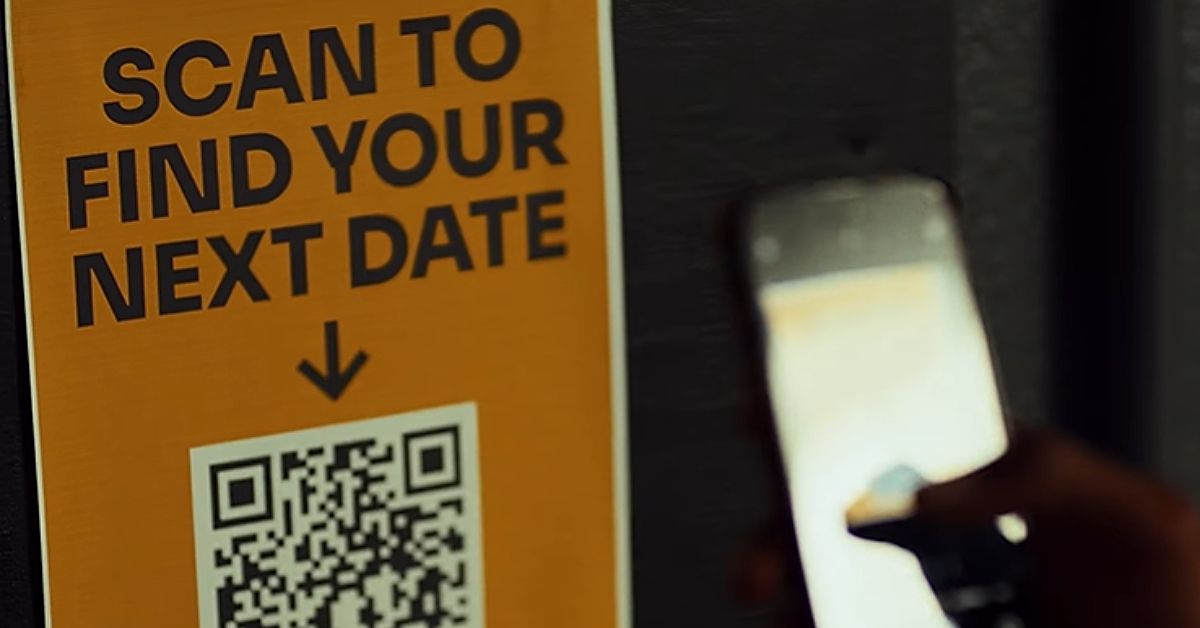
A new dating trend sweeping California college campuses has a familiar name that may make Rush Limbaugh fans smile.
It’s called Ditto.
This Ditto is an artificial intelligence-powered dating startup that says it can find students better matches than the endless swipe culture popularized by Tinder and its competitors.
The company, founded by former UC Berkeley students in 2024, is expanding rapidly across college campuses after embracing a radically different approach to online dating. Instead of asking users to spend hours scrolling through photos and biographies, Ditto relies on AI-driven questionnaires and automated matchmaking.
Students fill out detailed surveys about their personalities, interests and goals. The company’s AI then generates weekly matches and even helps organize first-date plans.
According to the startup, more than 12,000 dates have already been arranged through the platform. Company officials say 92 percent of participants reported wanting a second date after their initial meeting.
“For the past 20 years, we’ve connected in primitive ways,” the company says on its website. “But now … AI brings your ‘profiles’ to life as agents.” The concept appears to be gaining traction among Generation Z, a generation that grew up online yet increasingly reports feeling disconnected in real life.
The growth of AI-assisted dating comes as researchers continue documenting rising levels of loneliness among young Americans. Former U.S. Surgeon General Vivek Murthy famously warned in 2023 that loneliness had reached what he described as an “epidemic” level in the United States. “We have an opportunity, and an obligation, to make the same investments in addressing social connection that we have made in addressing tobacco use, obesity, and the addiction crisis,” Murthy said at the time.
Ditto’s founders argue that traditional dating apps encourage superficial decision-making based primarily on photographs and split-second judgments. Their alternative model attempts to emphasize compatibility before appearance.
The company launched in Berkeley but has expanded to campuses across the country, including multiple universities throughout California. Its rapid growth reflects a broader shift occurring throughout the technology sector as artificial intelligence becomes increasingly integrated into daily life.
Dating apps themselves have struggled in recent years. Industry analysts have documented growing frustration among users who complain about endless swiping, ghosting, fake profiles and a lack of meaningful connections. Several major dating platforms have reported slowing growth as younger users search for alternatives.
Whether AI can successfully solve those problems remains an open question. Human relationships have always been messy, unpredictable and often irrational. No algorithm has yet figured out how to measure chemistry, attraction or the mysterious spark that turns a first date into a lasting relationship. Still, the popularity of Ditto suggests that many young Americans are willing to let artificial intelligence take a shot at solving a problem that traditional dating apps have struggled to fix.
When I saw the headline “Ditto is taking over college campuses,” I thought for a second somebody had revived Rush’s army of Dittoheads and sent them to Berkeley.
Now THAT would have been a story.
Instead, we’re talking about an AI dating service.
And honestly? I’m not sure whether to laugh or admit this might actually work.
Think about what dating apps became. You spend three hours swiping through pictures, exchange four messages, get ghosted, and then repeat the process until civilization collapses.
Along comes a computer and says, “Relax, humans. You’re obviously terrible at this. Let me handle it.”
The scary part? The computer may have a point. What fascinates me is that the same generation constantly warning us about artificial intelligence taking jobs, writing papers and replacing human creativity is now saying, “Sure, AI, go ahead and pick my boyfriend.”
Somewhere your grandparents are shaking their heads. Grandpa met Grandma at a church picnic. Dad met Mom at work. Junior is meeting his future spouse because a server farm in Silicon Valley ran a compatibility calculation. Progress!
For years the tech world told young people that endless digital connections would make life better. Instead, many ended up lonelier than ever. Now the same tech industry is selling software designed to help people reconnect in the real world. That’s a pretty remarkable admission if you think about it.










most likely will hook you up with AI chatbot for premium prices….