BS BREIF:
- President Trump suggested new energy infrastructure in Texas and Alaska could serve as long-term alternatives to dependence on the Strait of Hormuz.
- The comments came as shipping traffic through the strategic waterway reportedly fell to a fraction of normal levels amid the escalating U.S.-Iran conflict.
- Trump continues to insist the Strait is effectively open for global commerce while Iran remains under a growing U.S. blockade and economic squeeze.
Trump looks beyond Hormuz and points to Texas, Alaska as America’s energy future
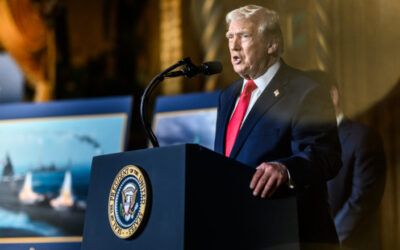
As tensions with Iran continue to rattle global energy markets, President Donald Trump is already talking about something bigger than the next military strike or the next naval maneuver. He’s talking about making the Strait of Hormuz matter less.
During an interview with Fox News chief foreign correspondent Trey Yingst, Trump was asked about reports showing a dramatic decline in shipping traffic through the critical Middle Eastern waterway. According to shipping trackers cited during the interview, only a handful of vessels passed through the strait on Monday, a tiny fraction of normal traffic levels.
“When you say the strait is open, what do you mean?” Yingst asked.
Trump’s response quickly grabbed headlines. “It’s open if people want to go through it,” the president replied. “We’re not opening it for Iran. That’s the only one it’s closed for. It’s closed for Iran both in and out. But it’s open now.”
.@POTUS on the Strait of Hormuz: "It's open if people want to go through it. We're not opening it for Iran. That's the only one it's closed for… Now, a lot of things have happened in the last few months—pipelines are being built. We're coming up with great alternatives,… pic.twitter.com/uq92tbLUYz
— Rapid Response 47 (@RapidResponse47) July 14, 2026
Then came the line that had energy analysts, political commentators and social media users trying to decipher exactly what Trump meant. “A lot of things have happened, Trey, in the last few months. Pipelines are being built. We’re coming up with great alternatives, including Texas, including Alaska.”
At first glance, critics mocked the statement. After all, Texas and Alaska are not waterways and cannot literally replace one of the world’s most important maritime choke points. But Trump’s supporters argue he was making a broader point, America and its allies should stop structuring their economic future around a narrow shipping lane that Iran has repeatedly threatened to close.
For decades, Washington policymakers have treated the Strait of Hormuz as an untouchable artery of the global economy. Roughly one-fifth of the world’s oil trade traditionally moves through the passage. Whenever Iran rattles its saber, oil prices jump and nervous governments scramble to respond.
Trump appears to be asking a different question: Why should the free world remain so dependent on a region controlled by unstable regimes when North America possesses enormous untapped energy resources?
This week the White House resumed a naval blockade targeting Iranian shipping, abandoned plans for a controversial Hormuz transit fee, and continued military operations against Iranian targets. Trump has simultaneously warned that further attacks on American interests could trigger strikes on Iranian infrastructure, including power plants and bridges.
The administration’s broader strategy appears increasingly focused on economic leverage. Instead of allowing Iran to profit from its geographic position, Trump has pushed Gulf nations toward major investment commitments in the United States while encouraging expanded American energy production. Earlier this week, he scrapped a proposed 20% Hormuz reimbursement fee and announced that Gulf allies would instead make what he described as “MASSIVE” investments into the U.S. economy.
Energy experts note that projects involving Alaskan LNG exports, expanded pipeline capacity and increased domestic drilling have been discussed for years. The Trump administration has repeatedly argued that greater North American energy production would reduce dependence on volatile regions and weaken hostile regimes that use oil and shipping routes as geopolitical weapons.
Building major energy infrastructure takes years, not months, but while Iran keeps threatening to control access to the world’s energy supply, Trump is campaigning on a very different idea, produce more energy at home, build more pipelines, export more American fuel and make Tehran’s leverage irrelevant.