BS BRIEF:
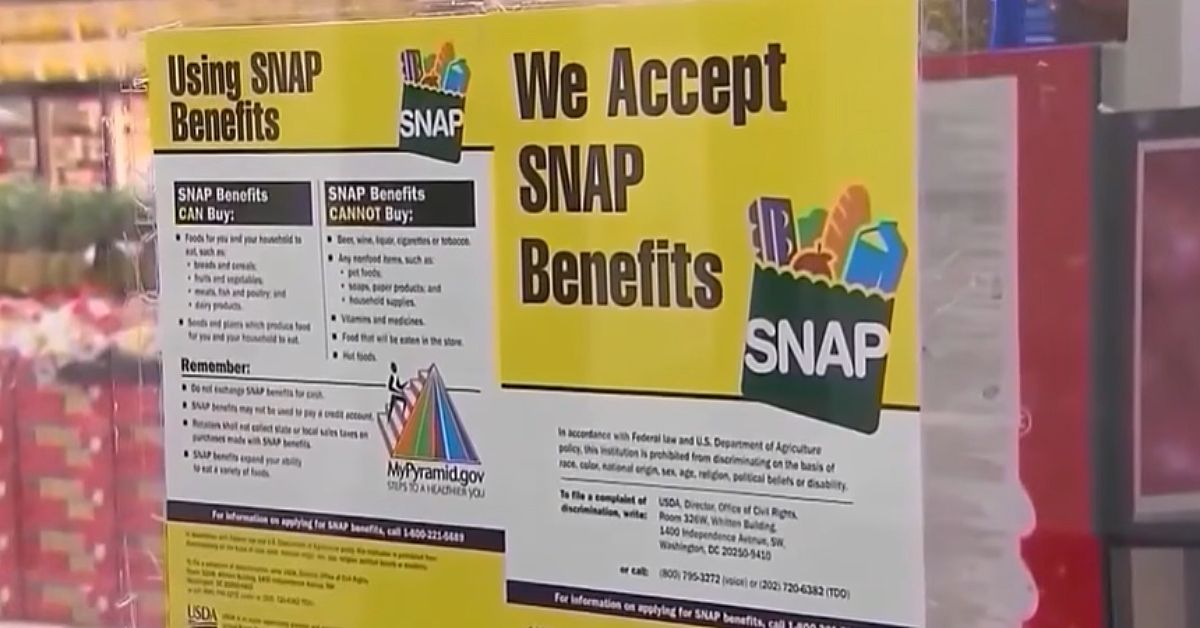
- New USDA data show 41 states and Washington, D.C., currently exceed the new SNAP payment error threshold established under last year’s tax-and-spending law, potentially triggering state cost-sharing requirements beginning in fiscal year 2028.
- Only nine states posted payment error rates below 6%, allowing them to avoid the new matching requirement if those numbers hold. The national payment error rate for FY2025 was 10.62%.
- States that fail to reduce payment errors could be required to cover between 5% and 15% of SNAP benefit costs, potentially forcing difficult budget choices or program changes.
41 STATES COULD FACE NEW SNAP COSTS UNDER FEDERAL ERROR-RATE RULES
Dozens of states may soon find themselves paying a larger share of the nation’s food assistance program unless they improve how accurately they administer benefits.
According to newly released U.S. Department of Agriculture data, 41 states and the District of Columbia currently exceed the payment error threshold established under last year’s federal tax-and-spending law, putting them on track to assume part of the cost of the Supplemental Nutrition Assistance Program (SNAP) beginning in fiscal year 2028.
The changes stem from the One Big Beautiful Bill Act, which introduced financial penalties for states with SNAP payment error rates above 6%. Under the law, states with error rates between 6% and 8% would pay 5% of benefit costs, those between 8% and 10% would pay 10%, and states exceeding 10% would pay 15%.
USDA has released the annual SNAP Payment Error Rates (PER), a crucial quality control measure that evaluates each state’s accuracy in determining eligibility and benefits. Learn more: https://t.co/pOlAkfyD8q pic.twitter.com/XHMHvIQ1yf
— USDA Food and Nutrition (@USDA_FNA) June 25, 2026
Importantly, the payment error rate is not a fraud rate. It measures benefits that were paid either above or below the correct amount, typically because of administrative or eligibility mistakes rather than intentional abuse. Overpayments account for most of the errors.
USDA reported the national payment error rate for fiscal year 2025 was 10.62%, representing approximately $10.1 billion in improper payments nationwide. Agriculture Secretary Brooke Rollins said the figures demonstrate the need for greater accountability.
“These payment error rates are further proof that state accountability is severely lacking in SNAP,” Rollins said in announcing the latest figures.
Nine states—Idaho, Iowa, Kentucky, Nebraska, South Dakota, Utah, Vermont, Wisconsin and Wyoming—reported payment error rates below the 6% threshold and would avoid the new cost-sharing requirement if their performance remains unchanged.
Some states with the highest error rates, including Alaska, Delaware, Georgia, Illinois, New Mexico, Oregon and the District of Columbia, will receive an additional year before the cost-sharing provisions take effect under a delay written into the law.
The Congressional Budget Office has projected that some states could respond to the added costs by reducing benefits or changing program administration, although those decisions would ultimately be made at the state level. Meanwhile, organizations representing state human services agencies have urged Congress to delay implementation while states work to improve payment accuracy.
More than 37 million Americans received SNAP benefits as of March, according to preliminary USDA figures, a decline from the previous year following changes to eligibility and work requirements enacted in the broader legislation.
DBS WIRE SOURCES:
- Nexstar – 41 states at risk of losing federal SNAP funds, new data shows: What to know
- Associated Press – Dozens of states could face new costs because of high error rates in SNAP food aid
- U.S. Department of Agriculture – USDA Announces FY 2025 State Payment Error Rates in SNAP
- Brookings Institution – SNAP payment error rates by state, FY 2003–25