

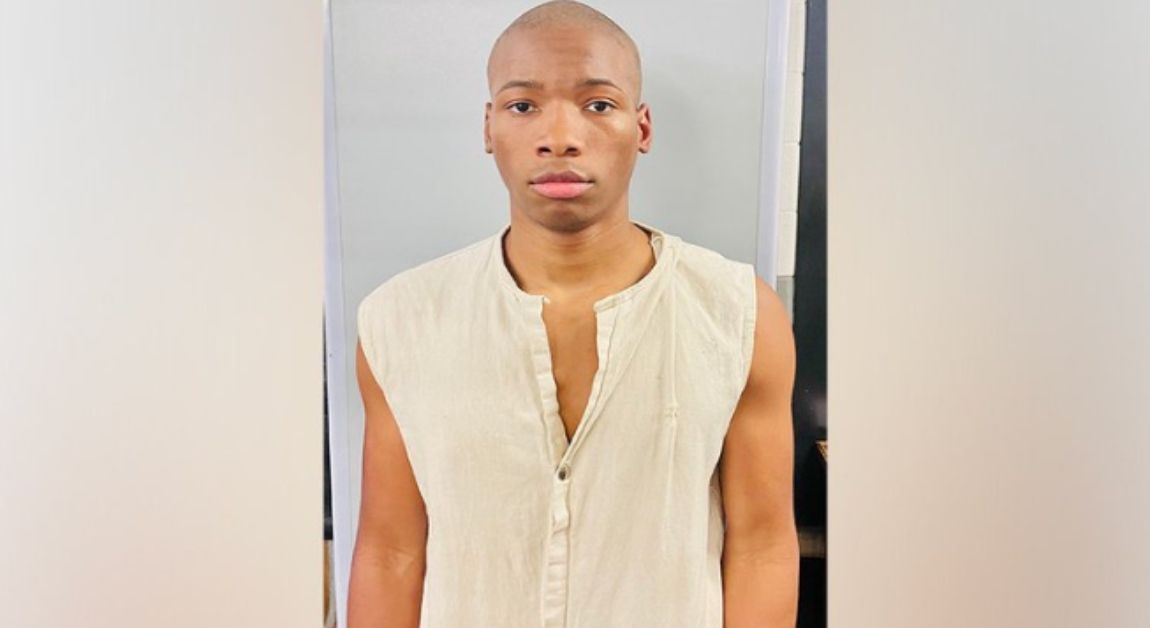
(Texas Dept. of Criminal Justice)
BS BULLETIN:
- A new judge now has until Monday to decide whether Karmelo Anthony’s murder conviction and 35-year sentence survive after the original trial judge was removed from post-trial proceedings.
- Prosecutors say jurors never heard evidence alleging Anthony had an interest in knives and violence, or that a former girlfriend reported being afraid of him on the morning of the stabbing.
- Anthony’s defense says jurors were likewise denied evidence it believes supported his self-defense claim, including records and videos involving victim Austin Metcalf and his twin brother.
The fight over Karmelo Anthony’s murder conviction took another dramatic turn this week as a new judge heard arguments over whether the Texas teenager should get an entirely new trial — while both prosecutors and defense lawyers revealed potentially explosive evidence that never reached the jury.
Anthony, now 19, was convicted in June of murdering 17-year-old Austin Metcalf during the deadly confrontation at a Frisco high-school track meet and was sentenced to 35 years in prison.
That verdict still stands.
But Anthony’s new attorneys are trying to wipe it out, arguing that constitutional and procedural errors deprived him of a fair trial. And after trial Judge John Roach was removed from the remaining proceedings this week over concerns about the appearance of impartiality, retired District Judge Michael Chitty now has the case — and very little time to make a decision.
Under Texas rules, the motion for a new trial must be granted within 75 days of sentencing or it is automatically denied.
That deadline is Monday.
The most eye-opening testimony Thursday may have come from lead prosecutor Bill Wirske, who described evidence the state possessed but never presented to Anthony’s original jury.
“When I stab somebody I’m gonna lick their blood off the blade.”
New evidence coming out surrounding the Karmelo Anthony case, including the disturbing text prosecutors say they found on his phone that could be fair game if he gets a new trial.
Prosecutors say the message was… pic.twitter.com/HO4cWOcEz8
— Fox News (@FoxNews) August 20, 2026
According to Wirske, Anthony’s former girlfriend went to his school on the morning of the stabbing and reported that she was afraid of him.
Prosecutors also said they had text messages and other material that they contend showed Anthony had an interest in knives and violence.
That is not a finding that Anthony committed any prior violent act, and the court has not ruled on the truth or significance of those allegations. But it raises an obvious question in a murder case centered on a fatal stabbing:
Why didn’t the jury hear it?
The answer, prosecutors say, is that the two sides had reached an agreement before trial to keep character evidence involving Anthony, Austin Metcalf and Austin’s twin brother Hunter out of the courtroom.
And that agreement is now part of the dispute.
Anthony’s former lead attorney, Mike Howard, testified that the defense understood the deal to mean Anthony himself could testify about the confrontation without opening the door to unrelated character evidence.
But Howard said prosecutors changed their position on the final day of trial, arguing that if Anthony took the witness stand, the state might be allowed to introduce damaging information during cross-examination.
“We very much still wanted Karmelo to testify because we thought that was the only way the jury could see that is why he used deadly force…”
Karmelo Anthony’s former defense attorney Toby Shook testified Friday about why the defense wanted Anthony to take the stand at his… pic.twitter.com/Lg246ENhj2
— Fox News US (@FoxUSNews) August 21, 2026
According to Howard, that uncertainty played a role in Anthony’s ultimate decision not to testify. Anthony’s new lawyers say that matters because the case turned heavily on self-defense.
They contend jurors were also denied information about Austin Metcalf and his brother that might have helped explain why Anthony claimed he feared them. The defense cited school records, social-media material, prior fights, disciplinary incidents and alleged racist language, though the court has made no factual findings validating those allegations.
In other words, both sides are now telling the new judge about material that could have painted a very different picture of the people involved.
The defense is also arguing that Anthony’s constitutional right to a public trial was violated because cameras were prohibited and only 27 public seats were available. The new legal team has challenged the jury instructions as well, saying they prevented jurors from fully considering Anthony’s self-defense argument.
Prosecutors counter that Anthony’s original lawyers agreed to many of those courtroom arrangements because the case had generated threats, doxxing and serious security concerns.
Then there is the judge problem. Roach, who presided over the murder trial, was removed from Anthony’s post-trial proceedings Wednesday after another judge concluded that a reasonable observer could question his impartiality.
The problem was not that Roach’s trial rulings were overturned. It was what he said afterward. Roach publicly defended several of his decisions and said the jury “got it right.” That gave Anthony’s attorneys an opening to argue that the same judge could not objectively evaluate a motion claiming his own rulings helped produce an unfair trial.
Anthony won that fight.
But getting Roach removed is considerably different from winning a new trial. Criminal appellate attorney Brett Ordiway told Fox that motions for new trials are notoriously difficult and said he would be surprised if Anthony succeeded. If Chitty grants the request, the conviction and 35-year sentence disappear and prosecutors would have to retry the case or negotiate some other resolution. If the motion is denied — or simply isn’t granted by Monday — Anthony’s direct appeal moves forward.
A retired judge now has until Monday to decide whether Karmelo Anthony’s murder conviction and 35-year sentence survive — or get wiped out entirely.
Judge Michael Chitty was assigned the case after the original trial judge was removed Wednesday for making public comments that… pic.twitter.com/D29pYwpxYb
— Fox News US (@FoxUSNews) August 20, 2026
Austin Metcalf’s father, Jeff, says none of this changes the fundamental evidence. “It’s just one step in a long journey,” he said after Roach’s removal. “It doesn’t really change the facts.”
That may ultimately be the question Judge Chitty has to sort out in a hurry: Did mistakes during the trial merely create imperfections in an otherwise valid verdict? Or were they serious enough that a jury should hear the entire case again?
DBS WIRE SOURCES:
- Fox News — New judge has days to decide whether Karmelo Anthony conviction and 35-year sentence survive
- The Dallas Morning News — Judge John Roach Jr. recused from next steps of Karmelo Anthony’s case
- WFAA — Karmelo Anthony appeal: Defense argues teen deserves new trial in Austin Metcalf slaying
- Fox News — Texas judge who presided over Karmelo Anthony murder trial removed from case over ‘got it right’ comment
- Fox News — Karmelo Anthony blasts judge in new filing over handling of murder trial





Go “Double or Nothing”. If not guilty, goes free. If guilty, Death Penalty.