BS BULLETIN:
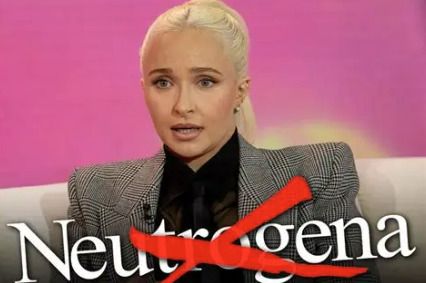
- Neutrogena has now acknowledged that its treatment of longtime spokeswoman Hayden Panettiere left her feeling “unsupported during a very difficult time.”
- Panettiere said earlier this year that the company tried to end their decade-long relationship after she publicly discussed postpartum depression in 2015. Her representative pushed back, and the contract ultimately expired without renewal.
- Facing renewed backlash after her death, Neutrogena says it will make a “significant investment” in a women’s health partner to expand support, including postpartum depression care.
For ten years, Hayden Panettiere helped sell Neutrogena’s image.
This week, after her sudden death at 36, the company acknowledged that when Panettiere went through one of the darkest periods of her life, the relationship did not live up to that carefully polished image.
“We are proud to have partnered with her and understand that we made her feel unsupported during a very difficult time,” Neutrogena said Thursday. “This is not what Neutrogena stands for or who we want to be.”
That admission came only after Panettiere’s own account of what happened resurfaced following her death and prompted a wave of anger online. Panettiere had spoken publicly earlier this year about her battle with postpartum depression after the 2014 birth of her daughter, Kaya. During a May appearance on Jay Shetty’s podcast, she said her decision to discuss the condition publicly in 2015 caused serious trouble with Neutrogena, for which she had served as a global ambassador since the mid-2000s.
According to Panettiere, the problem involved a morals clause in her contract. “Of all the things, too, that they would fire me over, this was the last thing I thought they would fire me over,” she recalled.
Her representative pushed back at the time and argued the company could not terminate her over discussing postpartum depression. Panettiere said the existing contract was allowed to continue, but she understood the relationship was effectively finished and was not renewed afterward. What seemed to hurt her most was not simply losing an endorsement. It was the silence.
Panettiere said she had worked with people at Neutrogena for a decade and then heard virtually nothing from them—not even a simple goodbye or acknowledgment of the years they had spent together. “I remember that really breaking my heart,” she said.
That detail gives this story considerably more weight than the usual celebrity-versus-corporation contract dispute.
Panettiere was not confessing to some scandalous act when the relationship soured. She was talking about postpartum depression, a medical condition experienced by women after childbirth and one that advocates have spent years trying to drag out of the shadows.
Panettiere herself refused to retreat. “I wouldn’t change it for the world; I wouldn’t take it back,” she said of speaking publicly about what she had experienced. And just months before her death, she told The Hollywood Reporter that she hoped telling the story would prevent another person from being treated the same way. “After I was public about it and talked about the Neutrogena aspect of it, I don’t think anybody in that industry will be doing that to anyone else,” Panettiere said. That may ultimately prove to be one of the more important things she left behind.
The company now says her willingness to speak publicly about her struggles “helped inspire important conversations and awareness.” Neutrogena also announced that it will make a significant financial investment through a longtime community health partner to increase women’s access to support, specifically including care for postpartum depression. The company said additional details will be released once plans are finalized.
Neutrogena’s statement acknowledges that Panettiere felt unsupported and that the company failed to be what it now says it wants to be. It does not provide a detailed corporate account of the 2015 contract dispute, nor has the company publicly explained who made the decision, exactly how the morals clause was interpreted or whether Panettiere’s postpartum disclosure was formally cited as the legal basis for ending the relationship.
So, the company isn’t denying the larger human point anymore. It failed to support her. That admission arrived eleven years after the fact.And four days after she died.
MY QUICK TAKE
This one isn’t funny.
Sometimes the snark should sit down.
Hayden Panettiere told people she was struggling after giving birth, and apparently one of the things she feared most happened: instead of hearing “How can we help?”, she came away believing that telling the truth might cost her a decade-long professional relationship.
Think about how backwards that is.
Companies spend fortunes telling women to be “authentic,” “empowered,” “real” and “fearless.” Then a woman actually says: I’m not okay. And suddenly somebody reaches for the morals clause.
Neutrogena deserves some credit for finally acknowledging that Hayden felt abandoned and for putting money behind postpartum support rather than releasing nothing but a carefully lawyered condolence statement.
But it is impossible to miss the awful timing. Hayden said herself that what broke her heart was not merely losing the contract. It was spending ten years with people and then hearing nothing when she was hurting.
Now the company has found the words. I just wish she had been here to hear them. And maybe that should be the lesson businesses take from this. Don’t wait for the memorial statement to become compassionate. Do it while the person is still in the room.
DBS WIRE SOURCES:
- Mediaite — Neutrogena admits making Hayden Panettiere ‘feel unsupported during a very difficult time’
- Variety — Neutrogena comments on Hayden Panettiere’s death amid backlash and says ‘we made her feel unsupported’
- People — Neutrogena addresses backlash after Hayden Panettiere’s death, pledges significant investment in women’s health
- The Hollywood Reporter — Neutrogena responds to backlash in wake of onetime ambassador Hayden Panettiere’s death
- Apple Podcasts — Hayden Panettiere: The Truth Behind the Headlines — On Purpose with Jay Shetty