BS BULLETIN:
-
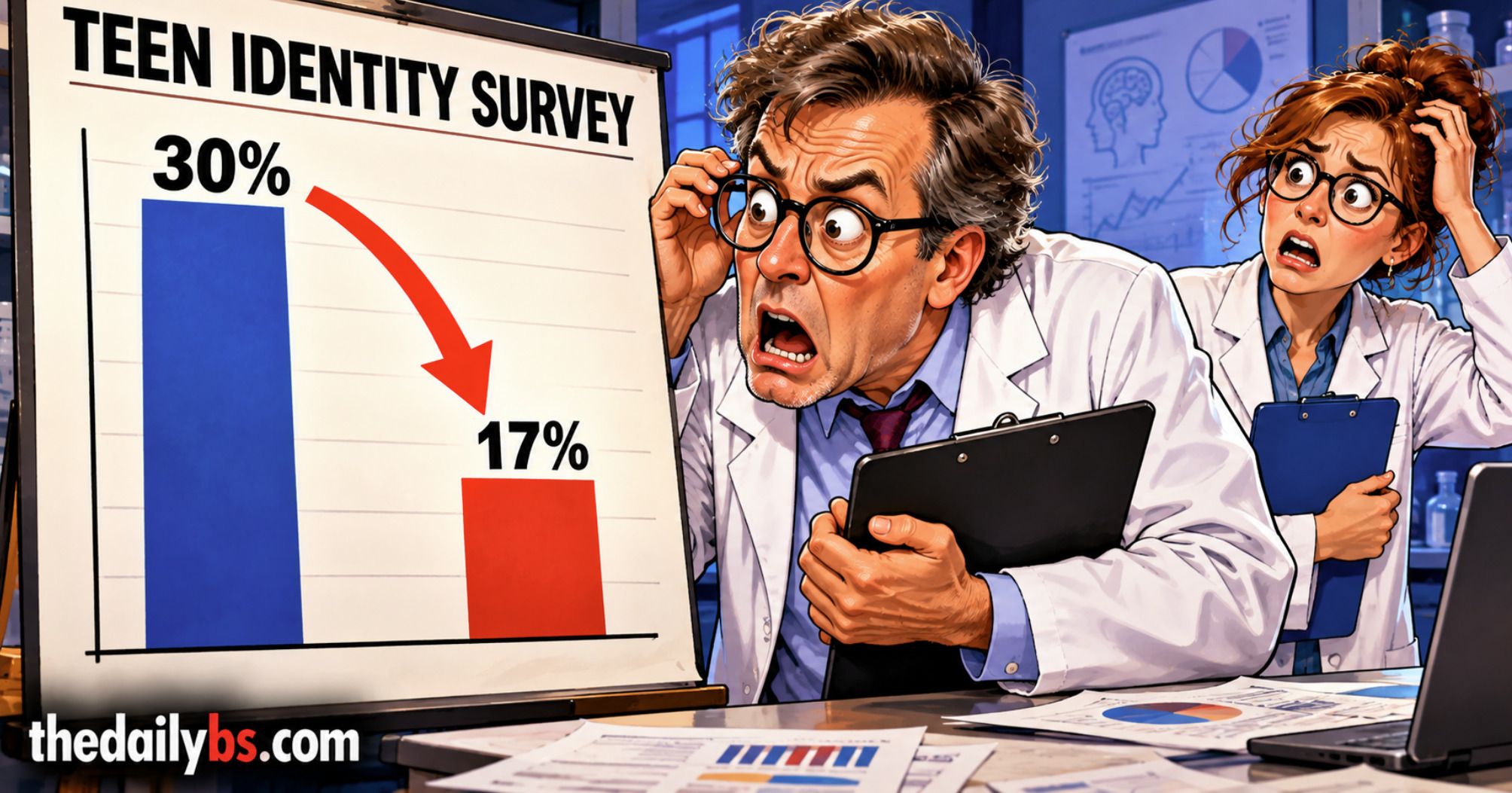
A new analysis of CDC survey data found that the share of ninth-grade girls identifying as lesbian or bisexual fell from 30% in 2021 to 17% in 2025.
-
The biggest change involved girls identifying as bisexual, while boys’ numbers remained comparatively stable.
-
Researchers say the reasons remain unclear, but X users quickly offered theories about social trends and peer influence.
Something significant is happening in how young Americans describe their sexual identities — and even The Washington Post is calling attention to it.
A new analysis of Centers for Disease Control and Prevention survey data shows a sharp decline in younger teenagers identifying as lesbian, gay or bisexual, particularly among ninth-grade girls.
Psychology professor Jean Twenge of San Diego State University found that 30% of ninth-grade girls identified as lesbian or bisexual in 2021. By 2025, that number had dropped to 17%.
The percentage identifying specifically as bisexual fell from 26% to 13%.
Twenge described the trend to The Washington Post:
“It really does look like a free fall.”
But she acknowledged that the cause remains unclear.
That last part was all it took to ignite X.
Twitchy highlighted a parade of commenters who argued that social influence, rather than a sudden change in underlying sexual orientation, could explain the numbers.
Conservative commentator Brittany Hughes sarcastically suggested that a social trend had finally run its course.
John Ziegler mocked the uncertainty expressed by researchers, joking that nothing gets past the experts.
Billy Binion pointed to an important detail that can get lost in broader headlines: the decline is overwhelmingly concentrated among girls, especially those who previously identified as bisexual.
“The big change: Fewer girls say they’re bisexual now after that spiked during the pandemic,” Binion wrote.
Other users suggested that peer pressure, social media and cultural messaging had encouraged teenagers to adopt labels they later abandoned.
Those are interpretations, not established findings from the CDC data.
And there are reasons to be cautious about sweeping conclusions.
Among ninth-grade boys, the share identifying as gay or bisexual changed much less, from approximately 9% to 7%. Among high-school seniors, the decline was also relatively small.
Researchers have also raised the possibility that changing political attitudes or social pressures could affect how comfortable teenagers feel reporting their identities.
Jody Herman of UCLA’s Williams Institute cautioned that more analysis is needed before declaring a broader national reversal.
Twenge herself noted that the decline began before Trump’s return to the White House, complicating attempts to credit any single administration or policy.
Still, the numbers raise a question that researchers are now trying to answer: Why did bisexual identification rise so sharply among younger girls during the pandemic years, only to fall substantially afterward?
For now, the data establishes a change in how students identify themselves. Whether that reflects shifting social norms, changing willingness to disclose, or other factors remains unsettled.