THE DAILY BS: HOW MUCH CAN YOU HANDLE?
SPARE ME THE BS (I’ve got things to do)
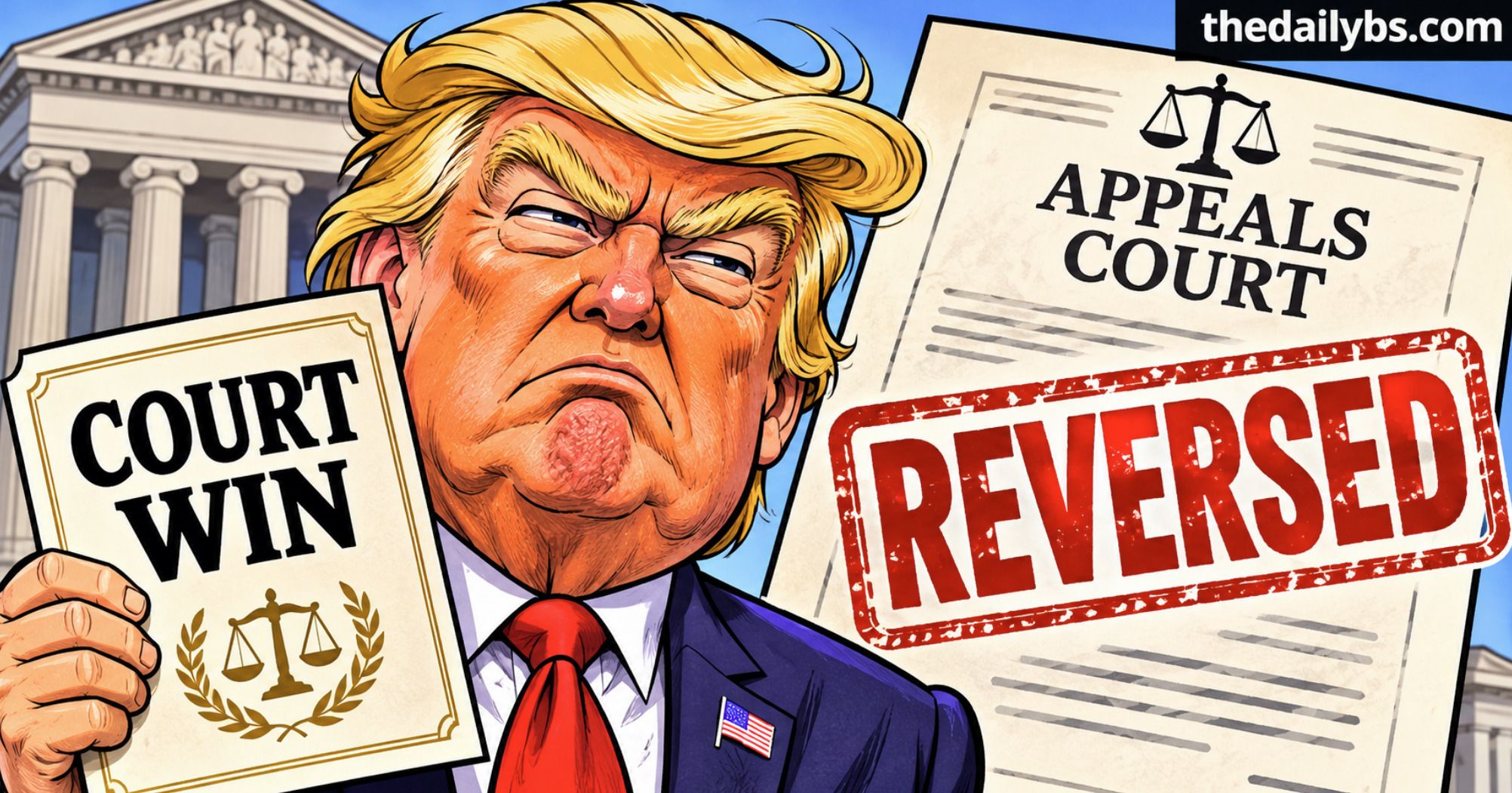
- A three-judge federal appeals panel sided 2–1 with the Trump administration Monday night, temporarily lifting restrictions on Justice Department communications with election officials.
- Two George W. Bush appointees supported the decision. Obama appointee Mary Helen Murguia dissented, warning that federal prosecutors could pressure states into changing election procedures.
- Then came another twist: The Ninth Circuit agreed to rehear the case, vacating the panel decision as Americans prepared to vote.
LAY IT ON ME (I’ve got time)
If you thought Election Day meant Americans would decide the election, somebody forgot to notify the federal judiciary.
On Monday night, the Trump Justice Department scored what looked like a significant victory in its expanding battle over election enforcement.
A divided panel of the Ninth U.S. Circuit Court of Appeals voted 2–1 to halt a lower court order restricting federal officials from demanding that state election workers segregate disputed ballots or threatening prosecution over how those ballots were processed.
Then, before the judicial dust had settled, the broader appeals court agreed to rehear the case, vacating the panel’s decision.
Welcome to Election Eve, where even a federal appeals court victory apparently comes with an expiration date.
The dispute centers on the administration’s effort to investigate suspected noncitizen voting and challenge election procedures it believes could permit ineligible ballots to be counted.
Federal officials have sent warnings and demands to election administrators, including California officials handling ballots connected to a disputed list of roughly 20,000 suspected noncitizens.
A coalition that includes labor unions and civil-rights organizations sued, arguing that the administration’s warnings and threatened prosecutions unlawfully intimidated election workers and pressured state officials to abandon established procedures.
U.S. District Judge Trina Thompson agreed that temporary restrictions were warranted.
Her October 30 order blocked certain demands, threats and efforts to force election officials to change how they processed ballots during the election.
The Justice Department appealed.
And Monday night, it initially got the answer it wanted.
The appeals panel’s majority characterized the government’s disputed activity as involving “core Executive functions that did not actually disturb the states’ regulation of their own elections.”
That’s a rather important distinction.
Washington has the authority to investigate and prosecute violations of federal election laws. States, meanwhile, exercise substantial constitutional authority over election administration.
The battle is over where federal enforcement ends and interference with a state’s election procedures begins.
Judges appointed by President George W. Bush formed the panel majority.
Judge Mary Helen Murguia, appointed by President Barack Obama, sharply disagreed.
“The Constitution’s allocation of election procedures to the states is meaningless if Defendants can coerce states into foregoing their chosen procedures by abusing their prosecutorial powers,” she wrote.
For the Justice Department, the initial panel ruling meant that an important restriction on its election-enforcement activity would be lifted while the appeal continued.
But the celebration proved premature.
A Ninth Circuit judge called for full-court reconsideration, and the court granted rehearing en banc. That procedural step vacated the divided panel’s decision.
In other words, the administration’s apparent victory was no longer a standing appellate ruling.
The dispute is especially remarkable because the Supreme Court had already rejected a separate Trump administration request on Monday involving California’s disputed voter registrations.
In that case, federal attorneys wanted election officials to separate ballots associated with the approximately 20,000 names while questions about citizenship were investigated.
California argued that the list was unreliable and that separating ballots could disrupt the election and affect eligible voters.
The Supreme Court declined to intervene, leaving the administration without its requested emergency relief.
That case and Monday night’s appeals-court fight involve related controversies but different legal questions.
One concerns a demand to segregate ballots in California. The other concerns restrictions on federal officials’ communications and threatened enforcement actions against election administrators.
The distinction matters because a defeat in one proceeding does not automatically decide the other.
And now the second proceeding has produced its own extraordinary judicial back-and-forth.
All of this is happening while the Justice Department announces additional election-related criminal cases nationwide, including allegations involving foreign nationals who illegally registered or voted.
The administration argues that federal law must be enforced and suspected violations investigated.
Its opponents argue that the federal government cannot use threatened criminal proceedings to direct state election administration.
Meanwhile, the nation’s voters have a somewhat simpler assignment: Choose the people who will govern them.
DBS WIRE SOURCES (I have all day)
- CBS News: November 2 election updates, including Ninth Circuit’s 2–1 ruling
- Bloomberg Law: Block on U.S. warnings to election workers lifted by court
- Just Security: 2026 election-integrity litigation tracker, including en banc rehearing
- CBS News: Judge orders DOJ to stop threatening and intimidating California election officials
- Associated Press: Supreme Court rejects California ballot-segregation request