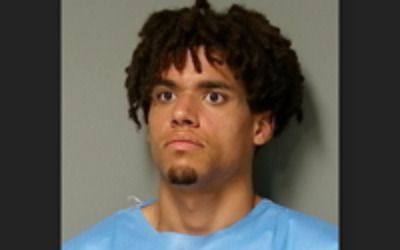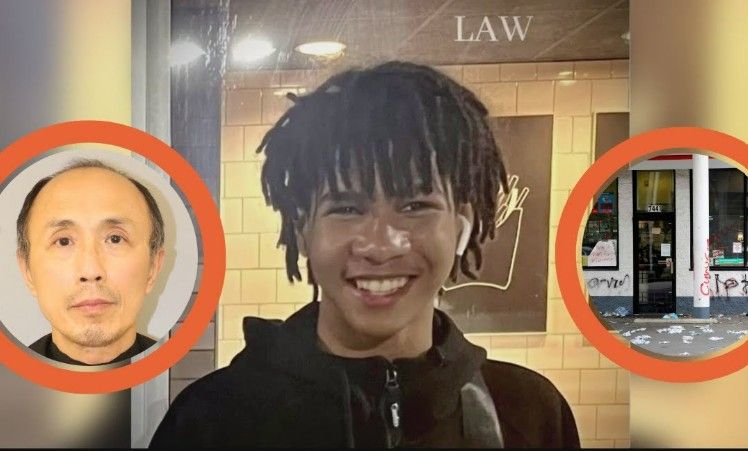
For more than three years, South Carolina convenience store owner Rick Chow sat in jail without bond, branded a murderer before he ever got his day in court. This week, a jury finally delivered a verdict that raises an uncomfortable question: Why did it take so long?
On Monday, jurors in Richland County found Chow not guilty in the 2023 shooting death of 14-year-old Cyrus Cormack-Belton. After roughly eight and a half hours of deliberation, they concluded that the prosecution had failed to prove murder beyond a reasonable doubt.
That decision ended a legal nightmare that began in May 2023, when Chow and his son confronted Cormack-Belton outside their Columbia convenience store after suspecting him of shoplifting. What happened next became the subject of intense public outrage, political pressure, protests, vandalism, and years of legal wrangling.
Lost in much of the early media frenzy was a crucial fact: the teenager was armed.
The central dispute at trial was not whether Cormack-Belton possessed a semiautomatic pistol. Even prosecutors acknowledged that he did. The question was whether the weapon posed an immediate threat when Chow fired the fatal shot.
Defense attorneys argued that the teen pointed the gun at Chow’s son, Andy. Faced with what he believed was a deadly threat to his child, the elder Chow responded with deadly force. Prosecutors insisted the weapon had fallen away and no longer presented danger. The jury heard both versions and ultimately sided with acquittal. That’s how the justice system is supposed to work.
But what is harder to explain is why a man presumed innocent under the Constitution spent more than three years locked up awaiting trial.
In the immediate aftermath of the shooting, public pressure mounted quickly. Demonstrators gathered outside Chow’s store. When news broke that he had been charged with murder, crowds reportedly celebrated. The business was later vandalized. The pattern has become familiar in high-profile self-defense cases. A tragedy occurs. Activists rush to microphones. Social media reaches a verdict before investigators finish collecting evidence. Prosecutors face enormous pressure to “do something.” Years later, jurors quietly sort through the facts that everyone else ignored.
By then, the damage is already done. Regardless of where people stand on the shooting itself, no acquittal can restore the years Chow lost behind bars. No verdict can recover the business turmoil, legal expenses, public vilification, or time separated from normal life.
Following the verdict, defense attorney Jack Swerling expressed sympathy for the victim’s family while underscoring the reality at the center of the case. “My heart goes out to them, but a 14-year-old kid should not be roaming the streets of Columbia or South Carolina with semiautomatic pistol loaded and ready to fire,” Swerling said.
It’s a statement many politicians and activists prefer to avoid. America cannot have an honest conversation about violent encounters involving juveniles if it refuses to acknowledge the role of illegal firearms, repeat criminal behavior, and dangerous decision-making.
A teenager’s death is undeniably tragic. So is the destruction of a man’s life through years of pretrial incarceration for conduct that a jury ultimately determined did not warrant a murder conviction. The victim’s family plans to pursue a civil lawsuit, meaning the legal battle is far from over. Prosecutors, meanwhile, expressed disappointment but said they respect the jury’s decision. They should.
Twelve citizens listened to the evidence, weighed competing stories, and reached a conclusion after careful deliberation. That is the system working exactly as intended. The bigger scandal may be everything that happened before the verdict. For three years, Rick Chow sat in a jail cell while activists protested, commentators pontificated, and prosecutors pursued a murder case that ultimately failed to convince a jury.
Justice may have arrived this week. But it arrived three years late.