California’s political brass loves to lecture the rest of America about “saving democracy.” But when the federal government comes knocking and asks to inspect the state’s voter rolls, suddenly transparency isn’t quite so fashionable.
That’s the backdrop to an increasingly bitter showdown between the Department of Justice and California officials, who are locked in a legal battle over access to the state’s voter registration records. The fight isn’t about a specific election or a publicly identified case of fraud. Instead, it’s about whether federal officials can examine the data used to maintain one of the nation’s largest voter rolls — and whether Sacramento is doing enough to keep those rolls accurate.
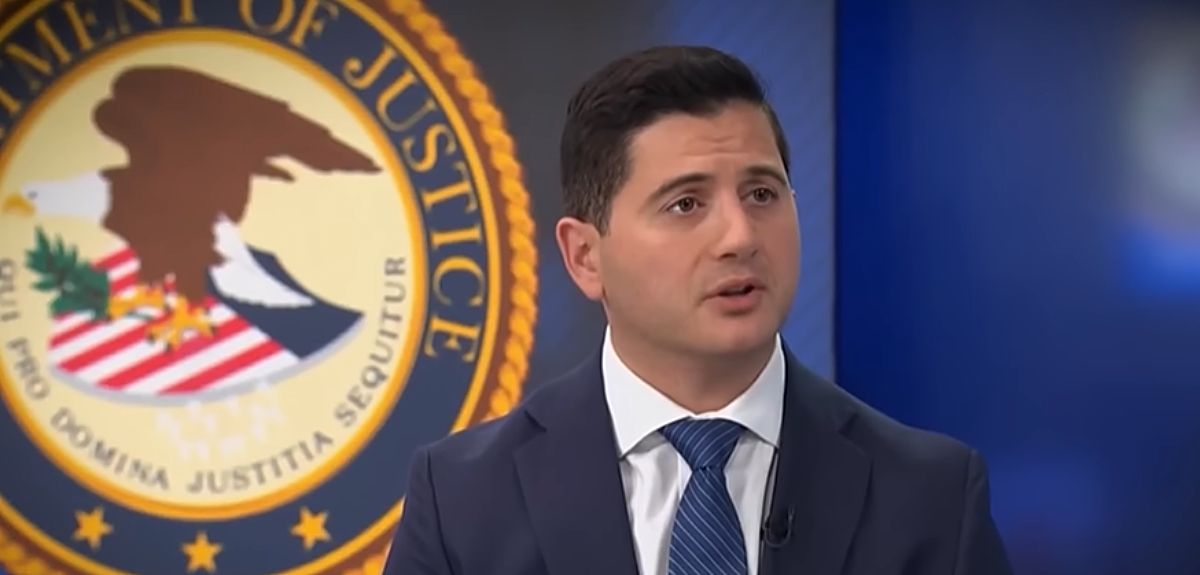
Assistant U.S. Attorney Bill Essayli has emerged as one of the administration’s most vocal critics of California’s resistance. In a recent social media post, he argued that if state leaders truly want public confidence in elections, they should welcome scrutiny rather than resist it.
“If California genuinely wants voters to trust its elections, it should open its records, not fight to keep them closed,” Essayli wrote.
California Is Blocking a Federal Audit of Its Voter Rolls
California allows first-time voters to register using forms of ID that most Americans would find surprising, including:
-Gym membership card
-Employer ID card
-Credit or debit card
-Prescription drug label
-Insurance… pic.twitter.com/kOEOzpctmb— F.A. United States Attorney Bill Essayli (@USAttyEssayli) June 7, 2026
“What are they afraid of?”
The controversy traces back to a demand from Assistant Attorney General Harmeet Dhillon, who oversees the Justice Department division responsible for enforcing federal voting-rights laws. Dhillon sought access to California’s voter registration records as part of a review of how the state maintains its voter rolls.
California Secretary of State Shirley Weber’s office pushed back, citing privacy concerns and offering federal officials access only to a redacted database available for in-person inspection in Sacramento. The DOJ rejected that proposal, insisting it needed a complete electronic copy of the statewide voter list to conduct a meaningful review.
California officials say the federal government is overreaching. Gov. Gavin Newsom’s office has pointed to previous court rulings and argues the DOJ’s requests run afoul of federal law. State attorneys have also noted that a federal judge dismissed the administration’s lawsuit earlier this year, ruling that the government was seeking an extraordinary amount of sensitive personal information from nearly 23 million registered voters.
That information reportedly included names, addresses, voting histories, Social Security-related data and other personal records. The judge concluded the federal government’s legal theory stretched beyond what election laws authorize.
But critics of California’s election system argue the privacy argument conveniently avoids a larger question: Are voter rolls being maintained properly?
Essayli and other Republicans say there are legitimate concerns about whether deceased voters, people who have relocated and individuals who may no longer be eligible are being removed quickly enough. The issue has become even more politically charged because California’s election rules differ significantly from those in many Republican-led states.
For example, first-time voters who do not provide a driver’s license number or Social Security information during registration may verify their identity through alternative documentation. Depending on the circumstances, that can include items such as employer identification cards, insurance documents, prescription labels and other records.
Supporters say those rules expand voter access. Critics counter that they create vulnerabilities that deserve closer examination. Then there is ballot harvesting — the practice of allowing third parties to collect completed ballots and deliver them for voters. California has some of the nation’s most permissive ballot collection laws.
Election integrity advocates argue that such policies make chain-of-custody questions more difficult to track. Defenders insist the system increases participation, particularly for elderly, disabled and working voters who may struggle to return ballots themselves.
Across the country, voter roll maintenance has become a major flashpoint. Election officials in North Carolina recently reported finding tens of thousands of deceased individuals still appearing on registration lists after cross-checking records with federal databases. Similar controversies have surfaced in multiple states over the past several years, though the presence of outdated registrations does not automatically mean fraudulent votes were cast.
Still, those discoveries have fueled demands for greater transparency. Republicans argue that public confidence depends on proving voter rolls are accurate and up to date. They contend that states should make maintenance records readily available for inspection and verification.
Democrats generally respond that aggressive data-sharing demands can threaten voter privacy, create opportunities for intimidation and risk exposing sensitive personal information. That philosophical divide now sits at the center of the California case.
The state insists it has already offered access consistent with federal law. The DOJ insists that access is incomplete and insufficient. Meanwhile, the legal fight continues through the federal appeals process, with neither side showing much interest in backing down.
And until somebody opens the books — or the courts settle the matter once and for all — the question hanging over Sacramento isn’t going away:
“What are they afraid of?”
Even @ChrisCuomo agrees California should stop obstructing and start complying with a federal audit of its voter rolls. Transparency and oversight is the best way to instill confidence and trust in the election system.
And yes, Chris, California is the only state that allows… https://t.co/Bvvl7gMc7J
— F.A. United States Attorney Bill Essayli (@USAttyEssayli) June 9, 2026