Another day, another courtroom attempt to kneecap President Trump’s election integrity push — and another judge refusing to take the bait.
A federal judge on Thursday narrowed the scope of challenges against President Donald Trump’s executive order targeting mail-in voting and tightening voter eligibility rules, essentially telling Democratic-led states and activist groups: you can argue about this election, but don’t even think about dragging in future ones just yet.
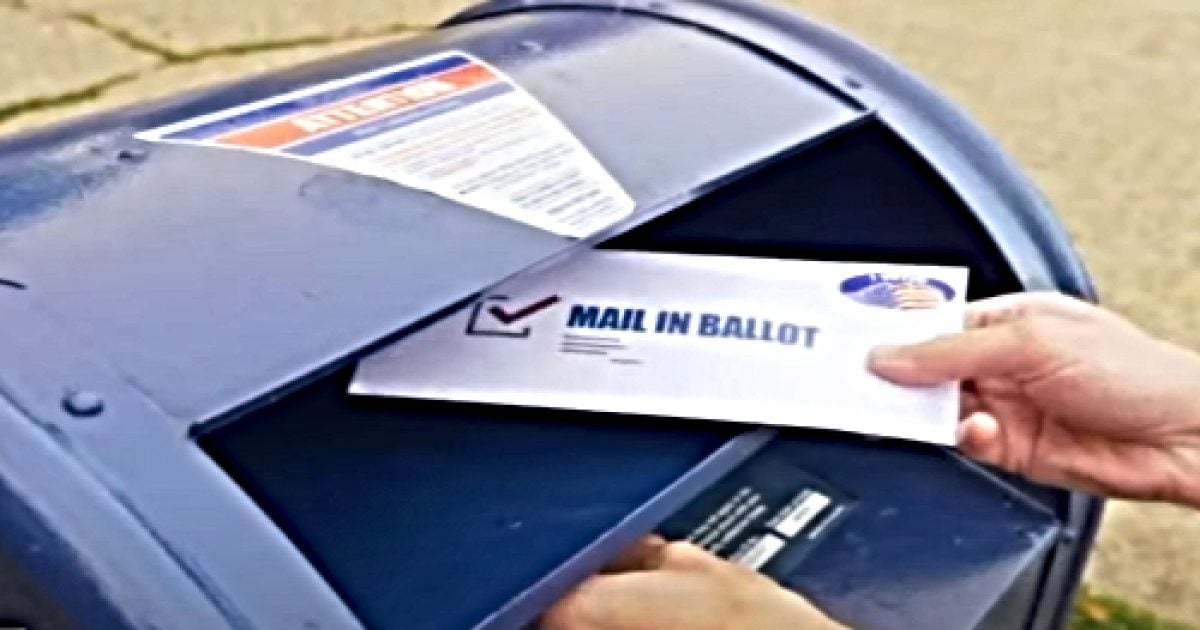
The lawsuits — filed back in April by a coalition of blue-state attorneys general and voting rights nonprofits — were aimed at blocking Trump’s order outright. The directive doesn’t just touch mail ballots; it also pushes states to verify U.S. citizenship status before registration and ramps up federal enforcement efforts around alleged voter fraud.
But U.S. District Judge Indira Talwani wasn’t willing to throw the whole case in the trash — nor was she ready to hand Democrats a sweeping win.
Instead, she split the baby. Her ruling allows challenges tied to the upcoming 2026 midterm elections to move forward, while kicking broader, long-term claims down the road.
JUST IN: Split decision from Judge Indira Talwani (Obama/MA) on challenges to Trump’s election security EO: claims related to post-11/3/26 elections dismissed but claims related to impact on elections between now & 11/2026 remain live to litigate. Doc: https://t.co/dFNp0kw5h8
— Josh Gerstein (@joshgerstein) June 18, 2026
And she made clear why: timing matters. “In light of the EO’s specific deadlines over the next three months, and the reality that elections will be occurring throughout this period with the November 3, 2026 midterm occurring in just five months, postponing judicial review is impracticable and may inflict significant hardship on Plaintiffs,” Talwani wrote in her 17-page order. In other words: if there’s going to be a legal fight, it can’t wait until after ballots are already being cast.
But the judge also flagged uncertainty about how the federal government will actually implement the policy long-term, saying it would be premature to rule on everything beyond the midterms.
The Trump administration had pushed to have the entire case dismissed, but that effort failed.
On the policy side, Trump’s executive order — signed in March — directs federal agencies to build a system to verify voter citizenship and restricts ballot mailing practices for individuals not confirmed as eligible.
It also enlists Homeland Security Secretary Markwayne Mullin and the Social Security Administration in compiling citizenship verification data, while also restricting the United States Postal Service from sending ballots to individuals not on approved lists. The order further instructs the Justice Department to prioritize prosecutions related to alleged illegal voting activity — a move supporters say is long overdue and critics claim is an intimidation tactic.
The backlash was immediate. Nearly two dozen states, plus the District of Columbia and several voting rights organizations — including the American Civil Liberties Union — rushed to court, claiming the president was overstepping constitutional boundaries and trampling state authority over elections.
California Attorney General Rob Bonta called the ruling a procedural win for the challengers, saying they were “pleased” the case survived dismissal in part.
“We are grateful the court recognized the urgency and stakes of this case and allowed our lawsuit to proceed with respect to this year’s elections,” plaintiffs, including the ACLU, said in a joint statement. “The court will now move to consider our preliminary injunction and other pending motions. And we will continue to fight to protect the millions of people who rely on mail-in voting and to ensure that every eligible voter is able to fairly cast their ballot.”
The White House, meanwhile, isn’t backing down. Spokeswoman Abigail Jackson defended the order, framing it as a core promise of Trump’s political comeback. “The Trump Administration will continue to fight for the agenda the President was elected on – which includes the safety and security of our nation’s elections,” Jackson said. “This very campaign pledge from the President is why millions of Americans sent him back to the White House. Election security is common sense, and Democrats owe it to the American people to support the President’s mission to secure our elections.”
This isn’t the first courtroom clash over the policy either. A separate federal judge in Washington previously declined to block the order in a similar challenge brought by Democratic Party groups and civil rights organizations — a ruling now under appeal.
For now, Democrats didn’t get the sweeping block they wanted, Trump didn’t get a clean win, and the fight over mail-in voting is headed straight into the thick of an election year — exactly where neither side is willing to back down.