BS BULLETIN:
- Justice Samuel Alito has withdrawn from a major Supreme Court climate case just days before oral arguments.
- The case could determine whether states and local governments can pursue lawsuits against energy companies over alleged climate-related damages.
- Legal scholar Jonathan Turley says Alito made the right call — but argues the episode exposes a broader problem with justices owning individual investments.
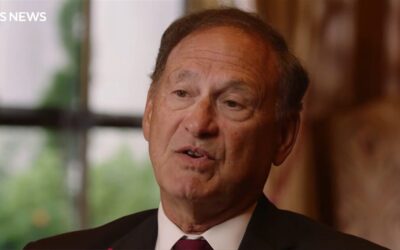
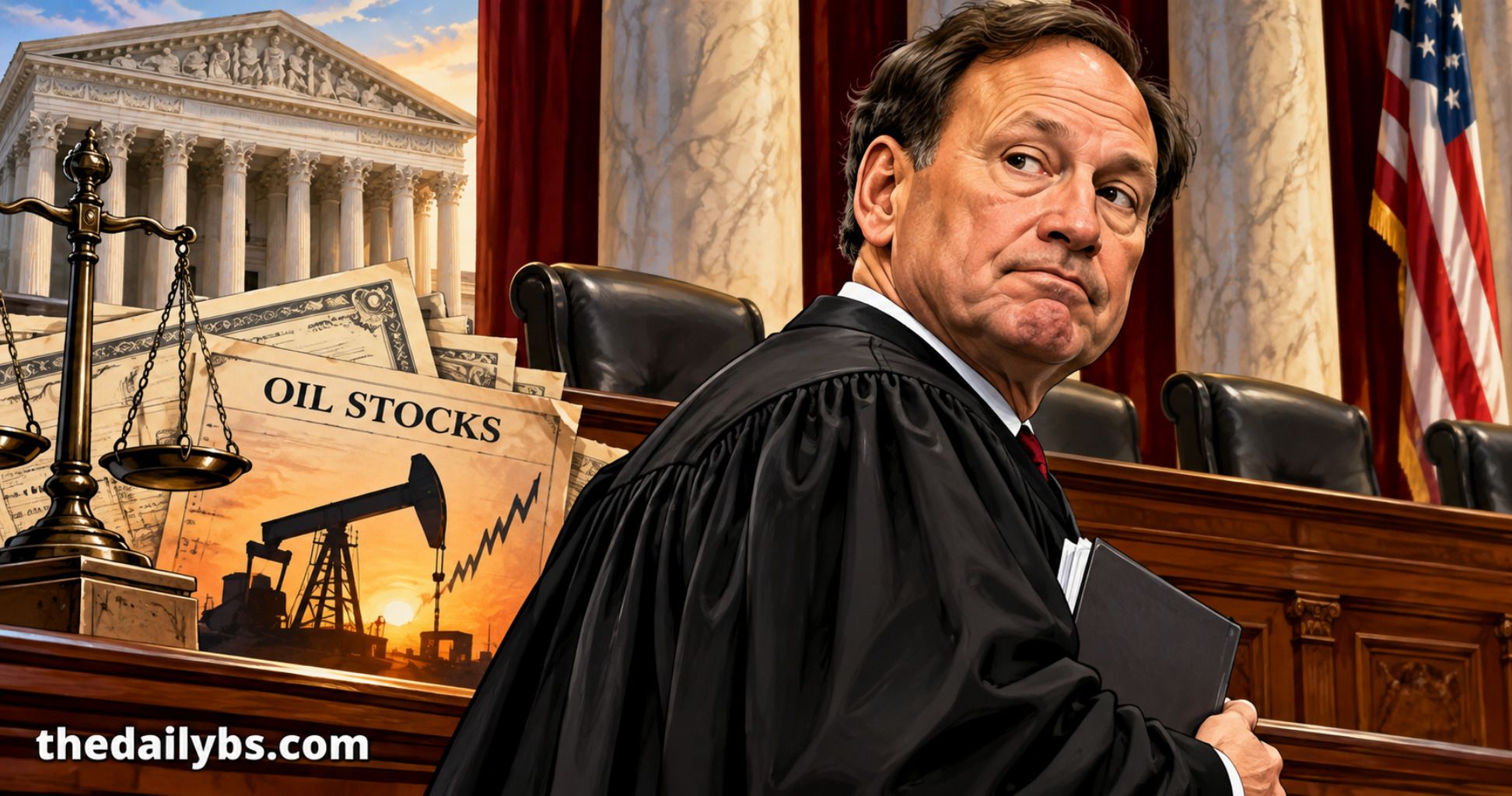
Justice Samuel Alito will not participate in one of the Supreme Court’s biggest cases of the new term, leaving eight justices to decide a closely watched fight over climate lawsuits against energy companies.
Alito withdrew from Suncor Energy Inc. v. County Commissioners of Boulder County, which is scheduled for oral argument Oct. 5.
The Supreme Court did not give a reason for his decision.
The case stems from a lawsuit brought by Boulder County and the city of Boulder against Suncor and Exxon Mobil. The Colorado Supreme Court ruled last year that their state-law claims could proceed, rejecting the companies’ argument that federal law preempts lawsuits seeking damages tied to global greenhouse-gas emissions.
The U.S. Supreme Court agreed in February to hear the case.
The question before the justices is whether federal law blocks state-law claims seeking relief for injuries allegedly caused by interstate and international greenhouse-gas emissions. The Court also ordered the parties to address whether it has jurisdiction to hear the case at all.
Alito’s departure immediately drew attention because critics had previously raised questions about his investments in energy companies.
He does not own stock in Suncor or Exxon Mobil, according to reporting surrounding the dispute, but has disclosed investments in other oil companies.
The Supreme Court’s ethics code says a justice should avoid situations in which impartiality could reasonably be questioned and identifies certain financial interests as grounds for disqualification.
Alito has also stepped aside from previous litigation involving Suncor.
Writing for Fox News, George Washington University law professor Jonathan Turley praised Alito’s latest decision and argued that the episode highlights a recurring problem for the Court.
“Justice Alito should be commended for avoiding even the appearance of a personal interest or a conflict in the case,” Turley wrote.
But Turley’s larger argument goes beyond Alito.
He believes Supreme Court justices should place their investments in blind trusts rather than personally hold portfolios containing individual companies that could later become connected to cases before them.
“The business interests of justices should not interfere with the business of the court,” Turley argued.
Federal law already requires Supreme Court justices and other members of the federal judiciary to file financial disclosure reports detailing certain investments and transactions.
The Supreme Court also announced earlier this year that it had developed automated conflict-checking software designed to compare parties and attorneys appearing before the Court with information supplied by each justice’s chambers.
Turley maintains that blind trusts would go further by removing the possibility that individual stock ownership could force a justice out of a major case.
That matters particularly in a case like Suncor.
With Alito out, only eight justices will participate. If the Court divides 4-4, the Colorado Supreme Court decision allowing the lawsuit to proceed would remain in place without creating a new nationwide Supreme Court precedent.
MY QUICK TAKE
Whatever ultimately happens in the climate case, Turley has identified an unusually practical Supreme Court ethics question.
There are only nine justices. When one has to leave the field because an investment creates even the appearance of a conflict, suddenly eight people are deciding a case with potentially enormous consequences.
And Wall Street has plenty of places to put your money that don’t require the Supreme Court clerk to keep checking the stock ticker.
DBS WIRE SOURCES
- Jonathan Turley — Fox News: Justice Alito blazes the ethical path the Supreme Court should take
- U.S. Supreme Court docket — Suncor Energy v. County Commissioners of Boulder County
- Supreme Court — Question presented in Suncor Energy v. Boulder County
- Supreme Court — Code of Conduct for Justices
- U.S. Courts — Judiciary financial disclosure reports