The controversy began when Swatch shared a promotional photo featuring an Asian model wearing an orange watch. In the image, the model is seen pulling the corners of his eyes — a gesture some claimed resembled the offensive “slanted eyes” pose historically used to mock Asians. Swatch posted the ad on Instagram and China’s state-controlled social media platform Weibo, before quickly deleting it amid a flood of angry reactions.
“We have taken note of the recent concerns regarding the portrayal of a model in images for the Swatch ESSENTIALS Collection. We treat this matter with the utmost importance and have immediately removed all related materials worldwide,” the company wrote in its public statement. “We sincerely apologize for any distress or misunderstanding this may have caused.”
But Chinese users were far from satisfied. Comments under Swatch’s apology included accusations of racism, calls for boycotts, and even demands that the company fire its marketing team. “You purposely use an Asian doing the slanted eye pose… and call it a misunderstanding?” one user asked incredulously. Another wrote, “You should not bring discrimination against Asians into your product posters. This cannot be forgiven.”
The pushback extended beyond Swatch itself, with some users encouraging a boycott of other watch brands under the Swatch Group umbrella — including Omega, Longines, Tissot, and Breguet.
Adding fuel to the fire, Swatch is already facing serious financial headwinds in China. The company recently reported a 7.1% drop in first-half 2025 sales, attributing the entire decline to poor performance in the Chinese market.
But here’s the thing: was the image truly offensive — or is this yet another case of exaggerated outrage meant to force Western companies to toe the line? The model in question is Asian, and the gesture appears far more artistic than derogatory. If context and intent still matter, then this seems less like a racist blunder and more like a PR overcorrection in the face of online mob pressure.
This isn’t the first time a company has been browbeaten into submission by an overly sensitive audience. Think Sydney Sweeney’s so-called “good jeans” scandal — a nothingburger that exploded into a cultural flashpoint. These incidents show how easily public perception can be manipulated, especially when Western brands are desperate to protect access to lucrative foreign markets.
Is this corporate cowardice or responsible sensitivity? Reasonable minds may differ — but bending the knee to outrage mobs, particularly from authoritarian-controlled platforms, seems like a slippery slope for free expression and artistic freedom.


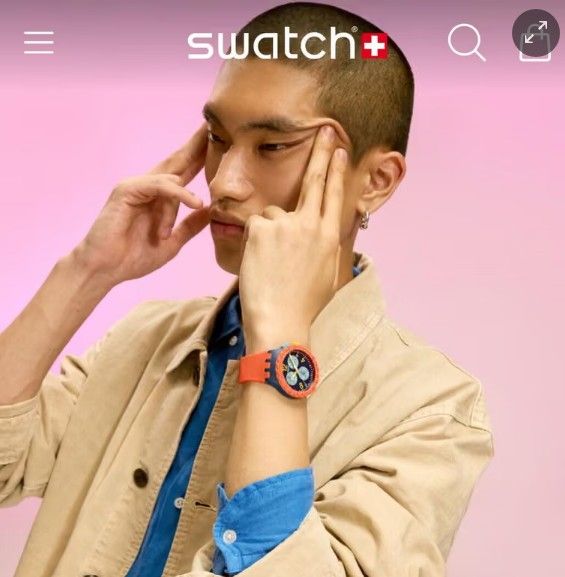 Swiss watch giant Swatch found itself in hot water over the weekend after an ad from its new ESSENTIALS Collection sparked backlash from Chinese netizens. The company has since issued a public apology and removed the advertisement globally — but the incident raises larger questions about cancel culture, hypersensitivity, and corporate appeasement to authoritarian regimes.