SOURCE: Democracy Now! “Land Grab”: Trillionaire Elon Musk Sued in South Texas to Block SpaceX’s Takeover of Wildlife Refuge
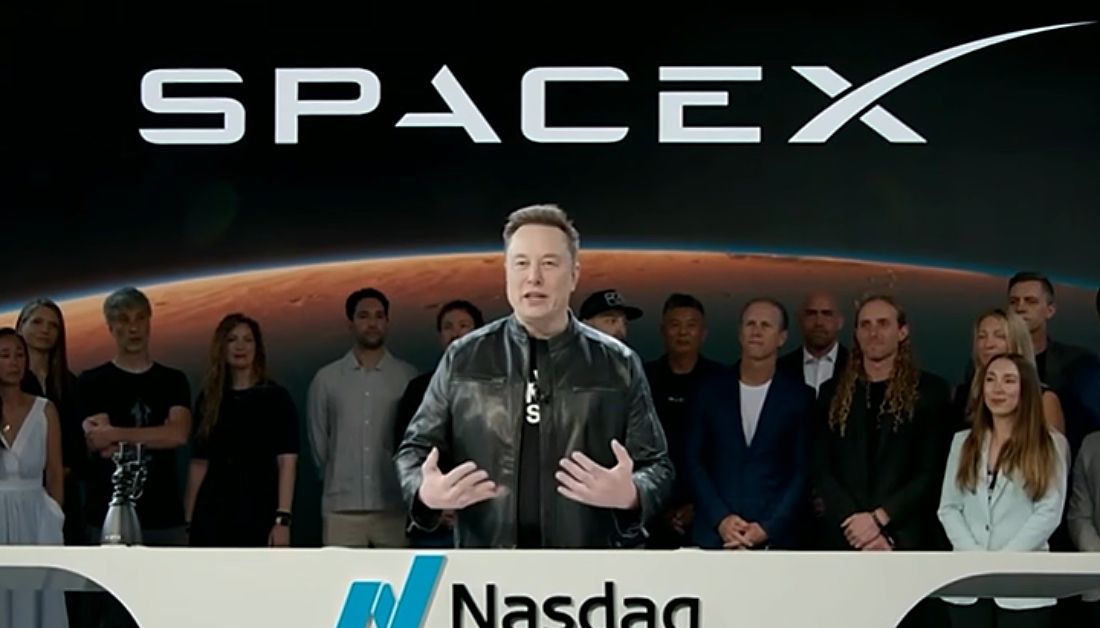
The moment Elon Musk crossed the trillion-dollar threshold, it was only a matter of time before progressive activists and their media allies reached for the nearest pitchfork.
Right on cue comes the latest outrage package: SpaceX is supposedly staging a “land grab” in South Texas, “colonizing” communities, “militarizing” beaches, and treating local residents like lab rats in some billionaire science experiment.
If that sounds less like a lawsuit and more like the trailer for a dystopian Netflix series, that’s because much of the rhetoric is designed to generate outrage rather than illuminate facts.
The underlying dispute is straightforward enough. Environmental groups are challenging a federal land swap that could allow SpaceX to acquire additional acreage near its Starbase operations. That’s a legitimate policy fight. Americans can reasonably disagree about environmental tradeoffs, wildlife management, development, and the role of federal agencies.
But instead of focusing on those questions, the story leans heavily into apocalyptic language.
One activist claims, “Elon Musk is using our impoverished community as his laboratory to blow up dangerous experimental SpaceX rockets.”
Another compares rocket testing to bombing local residents, saying, “What it feels like is this SpaceX rocket testing is like Elon Musk bombing us.”
Bombing them? Really?
SpaceX isn’t launching missiles at Texas communities. It’s developing reusable rockets that have fundamentally changed the economics of spaceflight and restored America’s ability to compete aggressively in a field once dominated by government bureaucracy and foreign rivals.
The same political movement that spent years demanding green innovation and technological transformation now seems furious when an American company actually builds things.
The story repeatedly describes Starbase as a “company town” while portraying local officials as little more than purchased puppets. Readers are told elected leaders have been “selling us out” and taking money from SpaceX, yet little attention is given to why many local leaders support the project in the first place.
Could it be jobs? Could it be investment?
Could it be that transforming an economically struggling region into one of the most important aerospace hubs in the world might have some benefits worth mentioning?
You wouldn’t know from reading this account.
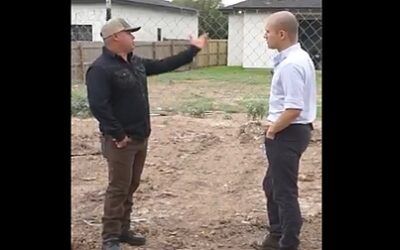
“Elon Musk is using our impoverished community as his laboratory to blow up dangerous experimental SpaceX rockets,” says Bekah Hinojosa, an environmental justice activist in South Texas, where SpaceX has taken over much of region to build a “company town.” pic.twitter.com/cuZ6Sb7J4w
— Democracy Now! (@democracynow) June 16, 2026
Instead, we’re treated to a familiar progressive script. Every economic development project becomes exploitation. Every wealthy entrepreneur becomes an oligarch. Every industrial activity becomes environmental catastrophe. And every disagreement becomes a battle between oppressed communities and corporate villains.
Perhaps the most revealing quote comes when the activist declares that “No one should invest in Musk’s corporations” and urges people to “defund Elon Musk.”
At that point, the mask slips. This isn’t merely about wetlands, wildlife corridors, or environmental review processes. It’s about opposition to Musk himself, his wealth, his politics, and increasingly his willingness to challenge progressive orthodoxy.
Notice how quickly the conversation shifts from land use to complaints about Musk becoming a trillionaire. Suddenly the issue isn’t acreage in Texas. It’s whether anyone should possess that much wealth. That’s a political argument, not an environmental one.
None of this means SpaceX should receive a free pass. Environmental concerns deserve scrutiny. Federal agencies should follow the law. If violations occur, they should be addressed.
But that’s a far cry from depicting SpaceX as a colonial occupation force invading South Texas.
The bigger story is one the article barely acknowledges: America is once again leading in space exploration because private companies took risks that government programs often couldn’t or wouldn’t take. SpaceX has lowered launch costs, expanded satellite access, strengthened national security capabilities, and accelerated innovation at a pace few thought possible.
Reasonable people can debate the environmental costs. They can debate land swaps. They can debate local impacts. What they shouldn’t do is confuse political theater with objective reporting.
When activists start talking about “colonization,” “sacrifice zones,” and billionaires “bombing” communities, the discussion has moved well beyond environmental policy and into ideological performance art.
That’s why this lands at a solid 5 out of 5 on the Snerdley Scale.