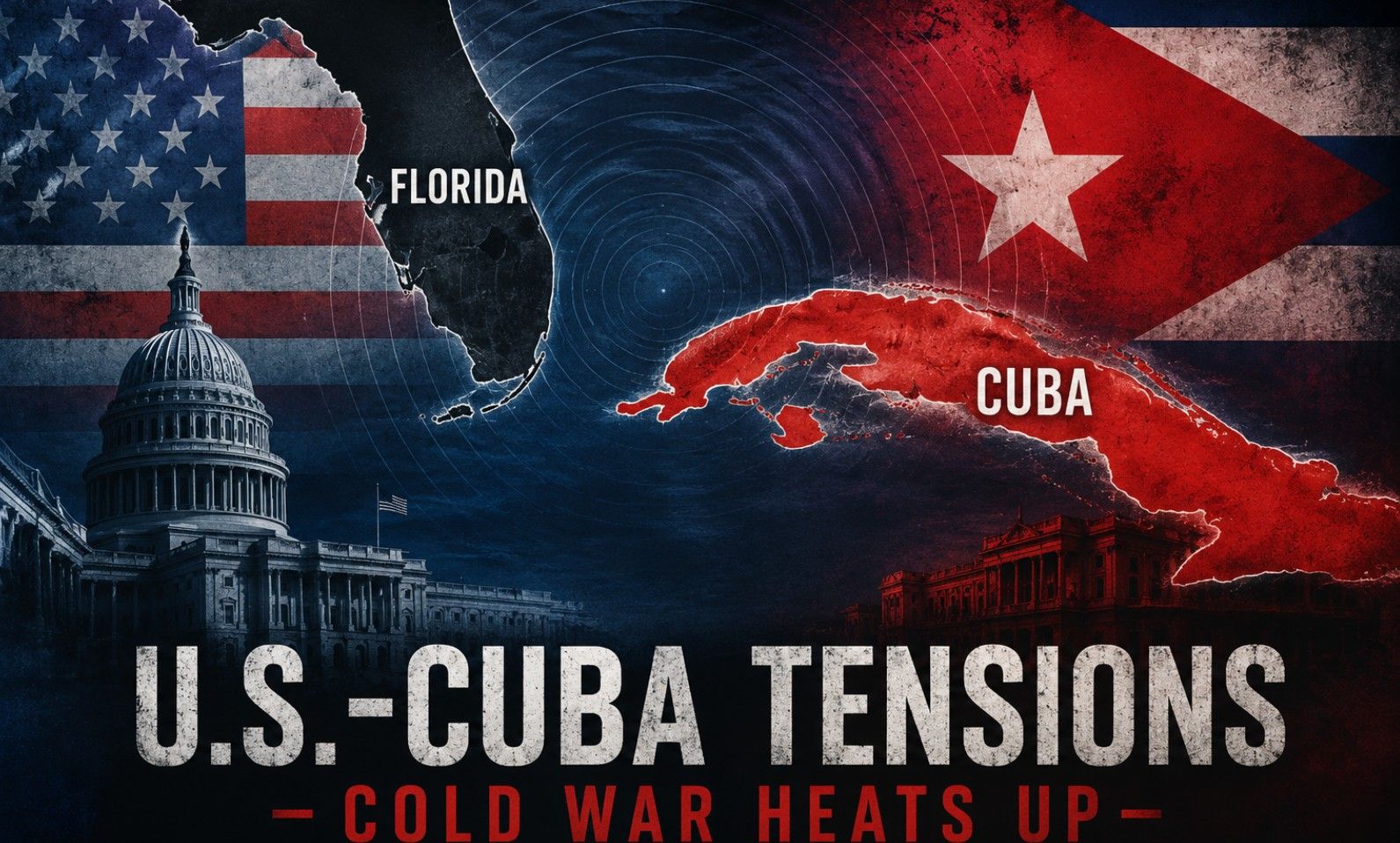
So here we go again: another day, another intelligence leak lighting up the U.S.-Cuba powder keg.
According to reporting cited by Axios, classified U.S. intelligence claims Cuba has been quietly accumulating more than 300 military drones since 2023—allegedly sourced from Russia and Iran—and even floating the idea of using them against American targets.
The list of potential targets being discussed, per the report, reportedly includes the U.S. naval facility at Guantanamo Bay, American warships operating in the region, and even Key West, Florida—a mere 90 miles from Havana.
A senior U.S. official, speaking in the Axios report, didn’t exactly downplay the situation. The official warned the intelligence “could become a pretext for U.S. military action” if policymakers decide the drone buildup and alleged foreign involvement crosses a line.
And the concern, according to the same official, isn’t just Cuba in isolation—but the broader cast of geopolitical characters Washington believes may be involved: “When we think about those types of technologies being that close, and a range of bad actors from terror groups to drug cartels to Iranians to the Russians, it’s concerning,” the official said, calling it “a growing threat.”
Reports say CIA Director John Ratcliffe made a rare trip to Cuba on Thursday, allegedly delivering a blunt warning to the regime: don’t even think about turning the island into a launchpad for hostile activity. According to a CIA official cited in the reporting, Ratcliffe made it clear that: “Cuba can no longer serve as a platform for adversaries to advance hostile agendas in our hemisphere.” That’s diplomatic speak for: we’re watching you, closely.
All of this comes as the Trump administration continues what critics call a maximum pressure campaign on Havana, including sanctions, economic isolation, and talk of potential regime-level legal action.
Separate reports suggest the Justice Department could soon move to indict former Cuban leader Raúl Castro, tied to a 1996 incident involving the downing of aircraft operated by a Cuban exile group—an episode that killed American citizens and has remained a long-running sore point in U.S.-Cuba relations. If that indictment materializes, it would mark a dramatic escalation in an already volatile standoff.
Havana, predictably, isn’t accepting the narrative quietly. Cuban officials are calling the drone allegations a fabrication—accusing Washington of manufacturing a justification for economic pressure and possible military escalation.
Foreign Minister Bruno Rodríguez has framed the claims as part of what he called a “fraudulent case,” insisting Cuba is acting under its right to self-defense and rejecting any suggestion it is planning offensive strikes.
Meanwhile, inside Cuba, the situation is already strained. The country is dealing with an ongoing energy crisis, widespread blackouts, and growing public frustration. Protests have flared in Havana over prolonged power outages, adding internal pressure to an already fragile system. Whether that instability makes external confrontation more or less likely depends on who you ask—but it certainly doesn’t help calm the waters.
Strip away the political spin, and what’s left is a familiar Washington storyline: intelligence leaks, worst-case interpretations, and rapid escalation in rhetoric between adversaries. Supporters of a hard line argue this is exactly the kind of early warning signal that should not be ignored. Critics counter that it looks like the kind of narrative that gets dusted off whenever pressure on Havana needs justification.