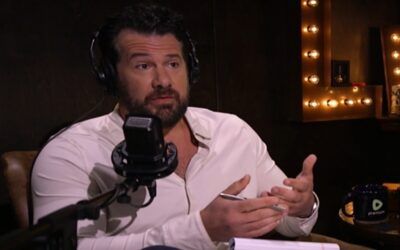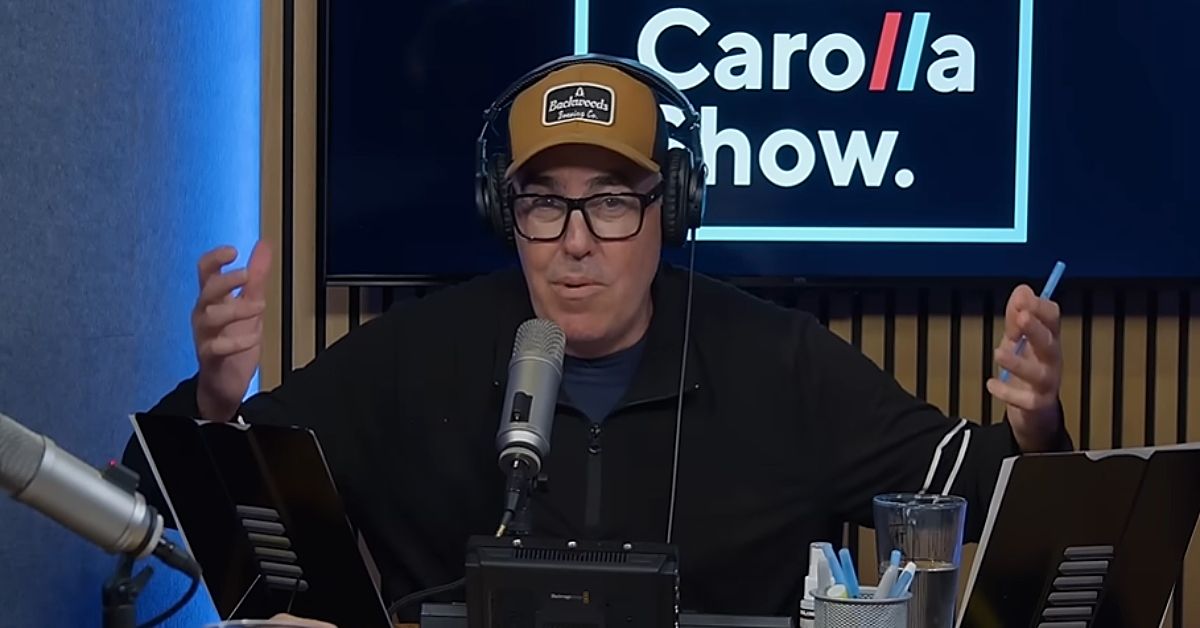
Adam Carolla isn’t interested in joining the annual corporate rainbow parade.
The veteran comedian and podcaster delivered a blistering critique of Pride Month and the broader identity-politics movement this week, arguing that America’s fixation on race, sexuality, and group labels has done more to divide people than bring them together.
Speaking on his podcast, Carolla rejected not only LGBT Pride celebrations but the entire concept of organizing society around demographic categories.
“I don’t like Black pride, I don’t like LGBT pride, I don’t like any pride,” Carolla said. “I don’t like everyone having a team.”
That blunt assessment launched a broader attack on what he sees as two decades of growing tribalism in American culture. According to Carolla, politicians, media figures, activists, and major corporations have increasingly encouraged Americans to view themselves through the lens of race, gender, and sexual identity rather than as individuals.
“I believe part of the problem with the last decade or two — it’s sort of an Obama thing, [he] ushered it in — is breaking everyone off into groups,” he said.
Carolla reserved particular scorn for television personalities and commentators who frequently frame political issues through racial identity.
“When I hear these women on The View go, ‘You don’t know what it’s like to be a Black woman living—’ living what, rich btch? In 2026, shut the fck up. Hand me your paycheck and go home already. What do you mean ‘As a Black man in America’ — what are you talking about? Stop it already.”
The comic argued that Americans are constantly being told to focus on differences that many voters thought the country had spent decades overcoming. Instead of reducing tensions, he contends the nonstop conversation about race has made people more conscious of divisions than ever before.
“Stop it with all the Kaepernick taking a knee and all this bullsh*t and then all the companies have to pretend [they support it]. It’s insane and it’s destructive,” Carolla said.
“And I don’t know, I haven’t crunched any data, but I don’t think it’s helping. There’s a lot more racial division now than when you a**holes had to talk about it and weave it into every single conversation.”
His comments echo a growing frustration among conservatives who argue that corporate America has spent years embracing progressive social causes while ignoring the concerns of ordinary customers. During Pride Month, countless major brands swap logos for rainbow colors, launch activist-themed marketing campaigns, and issue public statements celebrating diversity and inclusion. Critics often dismiss the effort as performative virtue-signaling designed to appeal to politically fashionable audiences.
Carolla highlighted what he views as that contradiction during a discussion about automobile advertising. The conversation turned to Subaru, a company long known for marketing campaigns that have resonated with lesbian consumers.
Carolla mocked the feel-good messaging often found in modern advertising, noting the contrast between emotional branding and the hard realities of global business.
He said many companies believe consumers will “buy your horsesh*t about you loving gays or trans or puppies or whatever it is, and will convince a bunch of dumb chicks to buy this thing because we have puppies driving the car [in the ads]. But when we have to sell attack helicopters to the military, we’re gonna leave the puppies and the dykes at home.”
Carolla also pointed to what he sees as evidence that America once placed less emphasis on identity. He referenced former Los Angeles Mayor Tom Bradley, who became one of the nation’s most influential Black elected officials decades ago. According to Carolla, Bradley’s race was far less central to public discussion than identity has become in today’s political climate.